
 83526-16/6PK
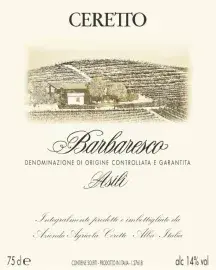
Label 83526-16/6PK

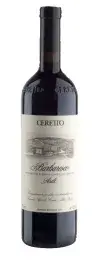
Ceretto - Barbaresco - Asili - 2016

Producer
Ceretto
Blend
100% Nebbiolo
Country
Italy
Region
Piemonte
Appellation
Barbaresco
UPC
0 15643 62992 1
Other
Verified Stock
83526-16/6PK
Product Ratings
James Suckling 94pt

The aromas of cherries and strawberries are bright and vivid. Medium to full body, firm and silky tannins and a solid finish. Very subtle and refined with gorgeous finesse.

by James Suckling, 2019
Vinous Media 95+pt

Ceretto's 2016 Barbaresco Asili is another stunningly beautiful wine from Ceretto. Here, too, the wine's energy and tension are simply dazzling. Bright red cherry fruit and floral overtones abound in this taut, crystalline Barbaresco. Readers will have to be patient with the 2016, but it is a jewel of a wine. Deceptively in its mid-weight structure, the 2016 packs a serious punch and really sizzles with vibrancy.

by Vinous Media, 2018
Wine Advocate 95pt

The 2016 Barbaresco Asili (with 4,000 bottles made) is the most articulate and complete of the Barbaresco wines presented by Ceretto from the 2016 vintage. The wine offers momentary sweetness, with cherry and redcurrant followed by extremely silky and fine texture. After that bright berry fruit, the bouquet lays out dry notes of crushed stone and minerals. I most enjoyed the extremely fine texture of this wine, along with its accessible and elegant approach. Serve it with delicate crackers and a liver pâté or terrine.

by Wine Advocate, 2019
Wine Enthusiast 92pt

Forest floor, rose, iris, woodland berry, new leather and camphor aromas are front and center. The lean, liner palate is still youthfully austere, offering sour cherry, roasted coffee bean, star anise and botanical herbs set against vibrant acidity and assertive, close-grained tannins.

by Wine Enthusiast, 2019
Wine Spectator 93pt

A beam of cherry and kirsch is supported by a backbone of assertive tannins in this elegant red. Vibrant and open, showing nice overall equilibrium. Needs a year or two to integrate the tannins.

by Wine Spectator, 2020
Decanter 96pt

This Barbaresco from the Ceretto stable has great balance and complexity, due in part to the balanced vintage conditions but also because of Ceretto's less oaky and extractive style of winemaking in recent years. Restrained wild strawberry fruits are mixed with savoury orange touches and a minty-liquorice finish. On the palate it is still grainy yet not austere, and moreover it shows an outstanding integration between fruits and tannins.

by Decanter, 2019

Estate

Among the infinite rows of vines that run across the undulating hills of Piedmont are the four wineries of Ceretto, a wine and spirits company in its third generation. Founded by Riccardo Ceretto in 1937, the highly respected firm is now run by his sons, Bruno and Marcello (dubbed the “Barolo Brothers”) who in the 1960s began raising Ceretto’s profile and expanding its holdings. Now their sons and daughters are at the helm of the Langhe DOC company, which holds a total of 120 hectares of land that are the birthplace of an array of elegant still wines, sparkling wines, dessert wines, and spirits.

Tasting notes

Forest floor, rose, iris, woodland berry, new leather and camphor aromas are front and center. The lean, liner palate is still youthfully austere, offering sour cherry, roasted coffee bean, star anise and botanical herbs set against vibrant acidity and assertive, close-grained tannins. Pairs well with mushrooms and first courses.

Technical data

Denomination: Barbaresco D.O.C.G.
Variety: 100% Nebbiolo
Hectares: 1.20 ha
First year of production: 1974

Description

It is one of the most representative climates of the appellation and is the symbol of the town of Barbaresco, with its amazing finesse and power, and disarming elegance and longevity. The vineyard area goes down to the bottom of the hill starting at 290 metres above sea level at the peak, and 200 metres in the valley. The land is marked by the presence of St. Agata Fossil Marne and is South / South-West facing. Ceretto owns the top (“bricco”) of the hill (just over one hectare) that because of its specific undulations could be considered an almost standalone production environment. The grapes of this vineyard have been vinified separately as a single parcel since the first half of the '70s.